Monday, 20 September 2010 15:07

The True History of Green Gables

Rate this item
(6 votes)

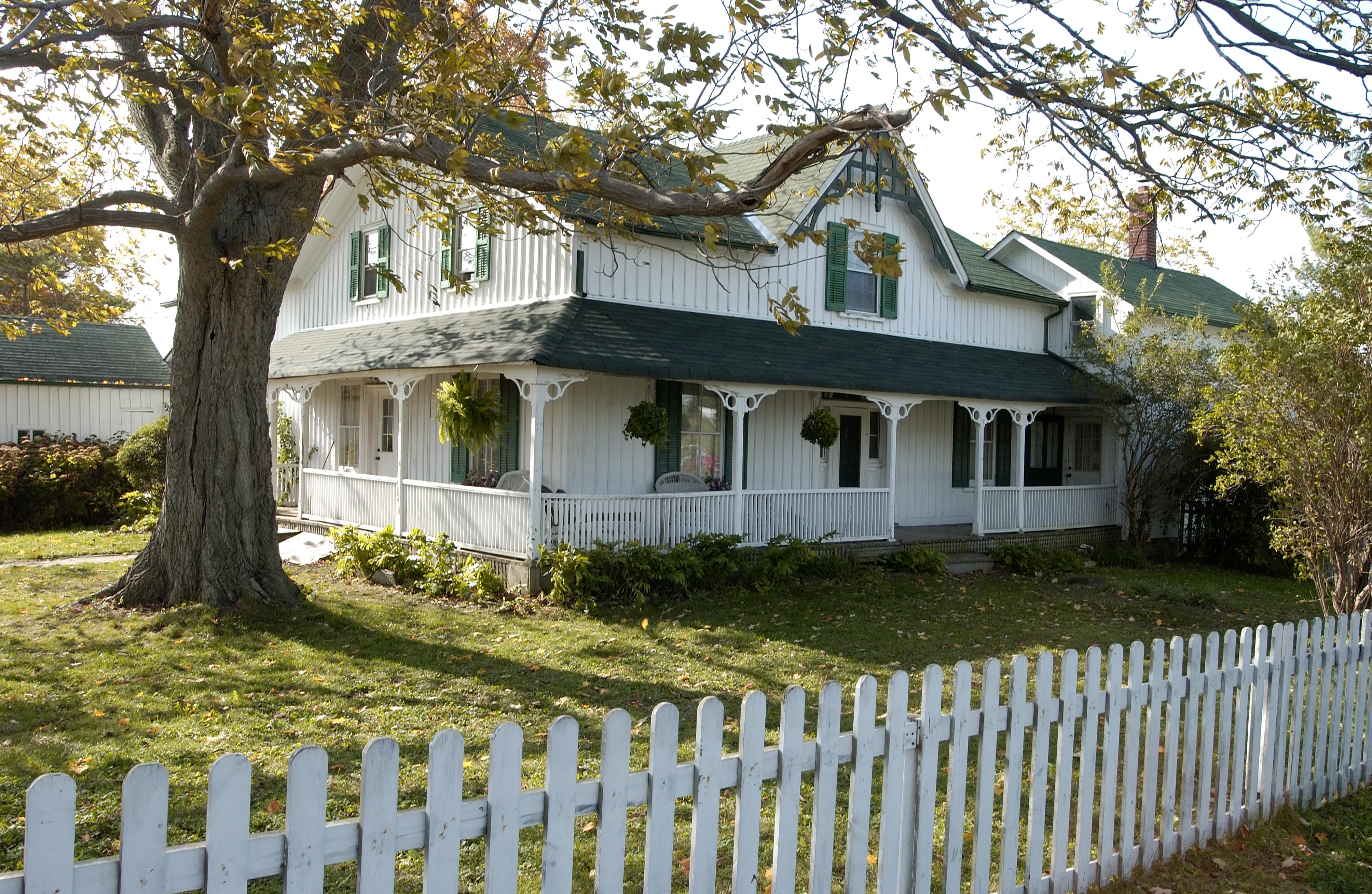
As one of the most recognizable landmarks in all of Canada, Green Gables in Prince Edward Island holds an emotionally-charged appeal for all Anne lovers.  Exactly what it is about the farmhouse that people feel connected to is probably a private experience for everyone.  But here is some information that all admirers of the book will appreciate: the history of the real Green Gables.

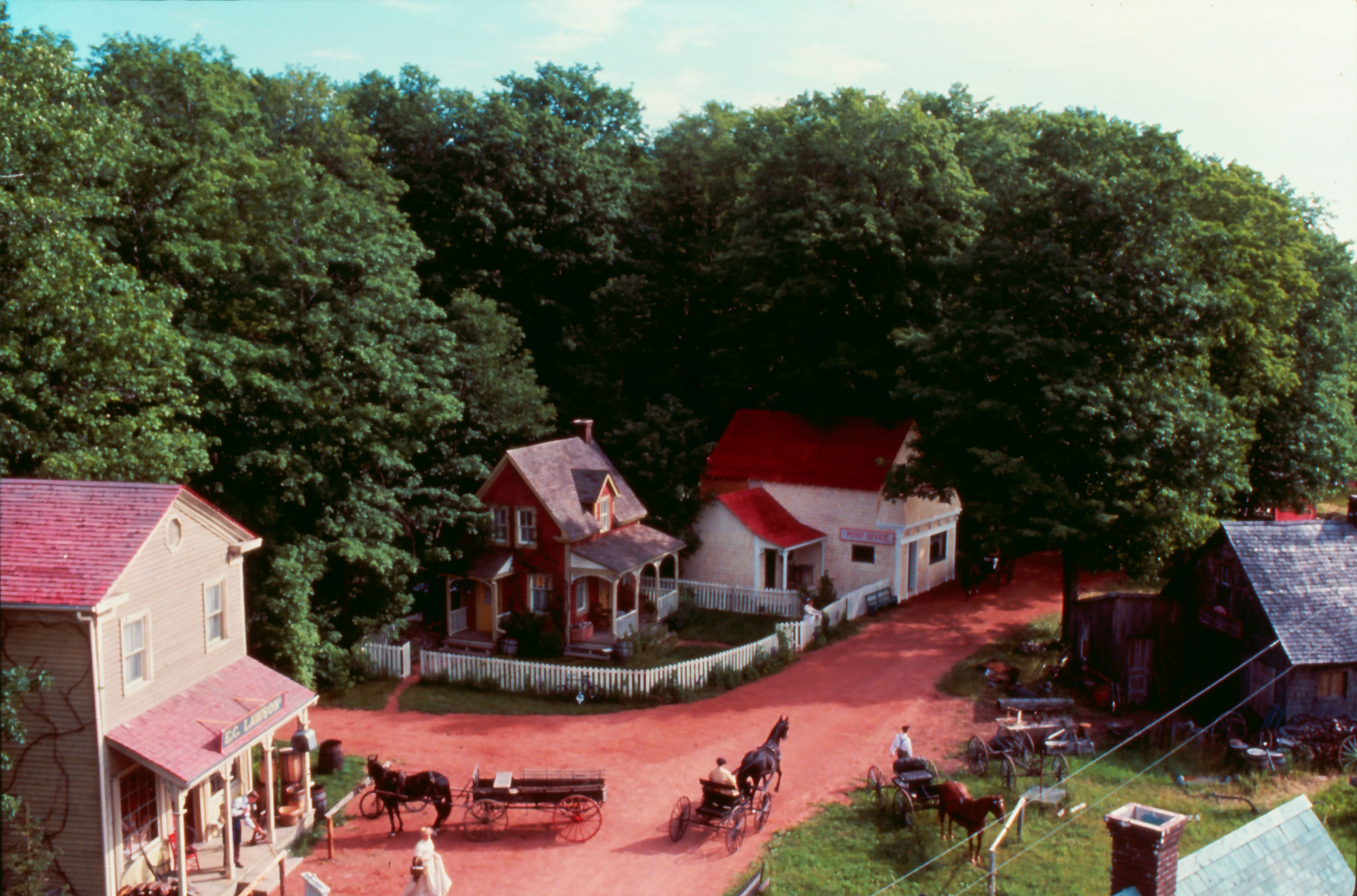
Some may not know that Green Gables existed before Lucy Maud Montgomery made its debut in her famous novel.  The town of Avonlea was actually based on a real farming community in Cavendish, where Montgomery lived as a child.  In the beginning, Green Gables was just a one-room, single-storey house that was built in the 1830s.  But many additions were made about 40 years later, including a two-storey wing that was comprised of the sitting/dining room and parlour, along with five small bedrooms.  The original house became the kitchen with two pantries.  By the outbreak of World War One, three more bedrooms and storage rooms were added when its kitchen roof was raised.


The restoration of the Green Gables barn.

After Anne of Green Gables was published in 1908, there was a steady stream of visitors not only to the island, but the actual Green Gables house.  By 1936, the Canadian government made the house part of a national park and turned it into a museum.  Green Gables is the heart of the Prince Edward Island National park, which also holds within its boundaries the red sandstone cliffs, beaches, dunes, meadows and groves that Montgomery described so lovingly in her books.

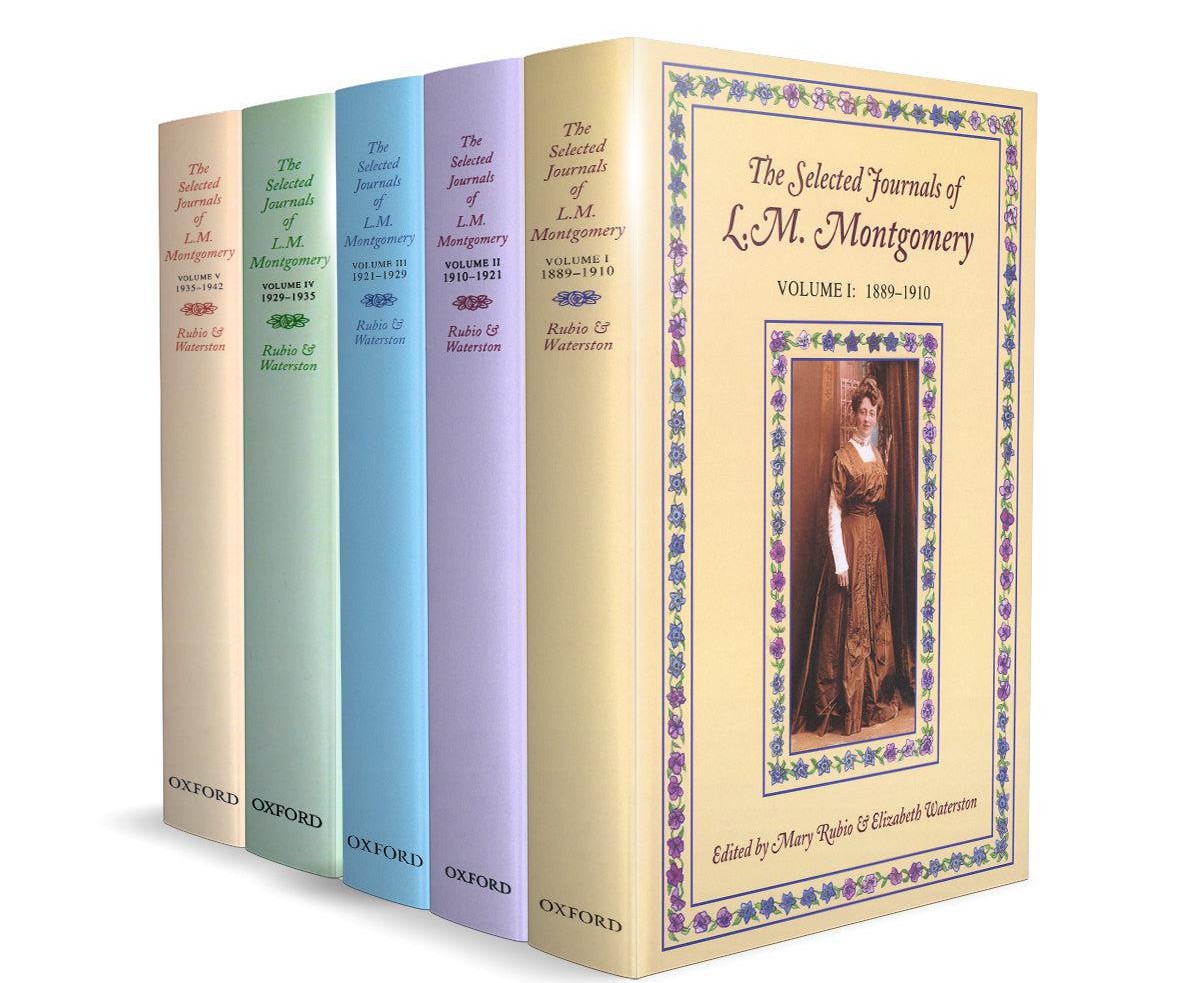
But it wasn’t until 1968 that actual guided tours came into play, after the place was restored to look like an authentic 1890s farmhouse.  And in 1985, Parks Canada decided to restore the house to make its details tie in more closely with the way the house was described in the books.  Besides working from descriptions in the novel, photographs of Montgomery’s own childhood home, as well as her cousins’ houses at Park Corner, were looked at.  They studied Montgomery’s journals and letters for written descriptions of these places, and used decorating and style guides in magazines from that era.

One of the bedrooms in Green Gables, furnished with authentic materials.  Each character from Anne has their own room.

Now, when visitors walk into the house, they are seeing some pieces of furniture that actually belonged to Montgomery’s friends and family.  The carpets, wallpaper and furnishings were all selected to give not only a better idea of Montgomery’s vision of Green Gables, but a real example of what an 1890s farmhouse on Prince Edward Island would have looked like.  But the plans didn’t end there.  By 1997, Parks Canada added a visitor’s centre, more parking spots, barns from the time period, fresh landscaping and a new fence.

Every year, from early May to late October, visitors can wander the house, as well as the real Lover’s Lane and Haunted Wood.  They begin to further understand what it is about Green Gables and its surroundings that inspired Montgomery so much.  In fact, when Montgomery died, her body was taken to Green Gables to lie in state and she was buried in the Cavendish Cemetery nearby.

To read more about the fascinating history of the people and places that inspired Montgomery, take a look at The Lucy Maud Montgomery Album.

Source: The Lucy Maud Montgomery Album

Last modified on Tuesday, 05 April 2011 15:59
Clare

Clare

E-mail: This e-mail address is being protected from spambots. You need JavaScript enabled to view it

Image Gallery

{gallery}284{/gallery}

Add comment


Login Form