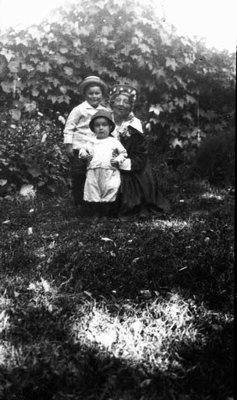

Lucy Maud Montgomery, the author best known for Anne of Green Gables, lived a parallel life to her fictional protagonist, orphan Anne Shirey, but wrote often about motherhood and wove her personal experiences into her work.
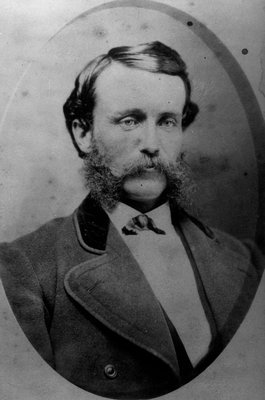
Hugh John Montgomery was 33 years old when he married 21-year-old Clara Woolner Macneil on March 4, 1874. They had moved into a small wooden frame house in the village of Clifton (now New London), where Hugh John’s general store was located nearby.
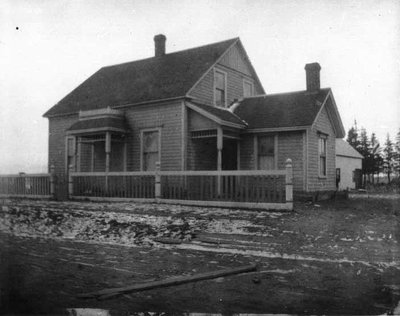
On November 30th, 1874, Clara gave birth to her first and only child, Lucy Maud Montgomery. She was named after her maternal grandmother ‘Lucy’ and Queen Victoria’s granddaughter ‘Maud’ who was born 5 years earlier. Shortly after, on September 14, 1876, Clara died of “galloping consumption” (tuberculosis). Hugh John’s store had already failed, and he had brought his sick wife to be cared for, and die, at her parents home in Cavendish.
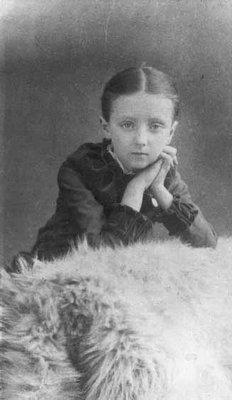
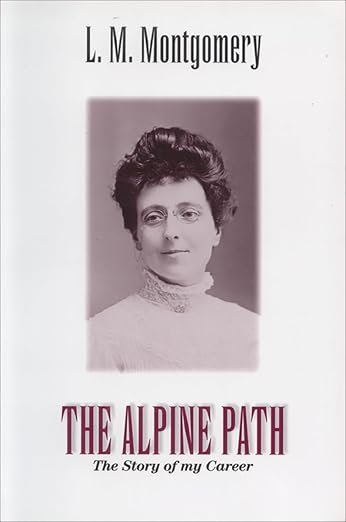
Maud (as she was called by her family and friends) wrote about her mother in her celebrity memoir The Alpine Path: The Story of My Career (1917), which was a series of essays in the Toronto magazine Everywoman’s World. Maud revealed that her earliest memory, and the only memory of her mother, was when she was twenty-one months old: seeing her mother in the coffin.
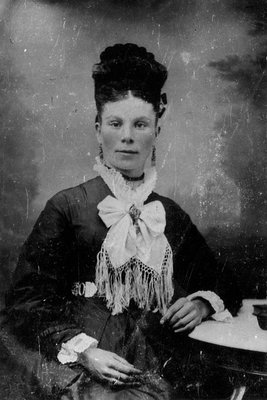
I distinctly remember seeing her in her coffin—it is my earliest memory. My father was standing by the casket holding me in his arms. I wore a little white dress of embroidered muslin, and Father was crying. Women were seated around the room, and I recall two in front of me on the sofa who were whispering to each other and looking pityingly at Father and me.Behind them the window was open, and green vines were trailing across it, while their shadows danced over the floor in a square of sunshine. I looked down at Mother’s dead face. It was a sweet face, albeit worn and wasted by months of suffering. My mother had been beautiful, and Death, so cruel in all else, had spared the delicate outline of feature, the long silken lashes brushing the hollow cheek, and the smooth masses of golden-brown hair. I did not feel any sorrow, for I knew nothing of what it all meant. I was only vaguely troubled. Why was Mother so still? And why was Father crying? I reached down and laid my baby hand against Mother’s cheek. -The Alpine Path: The Story of My Career
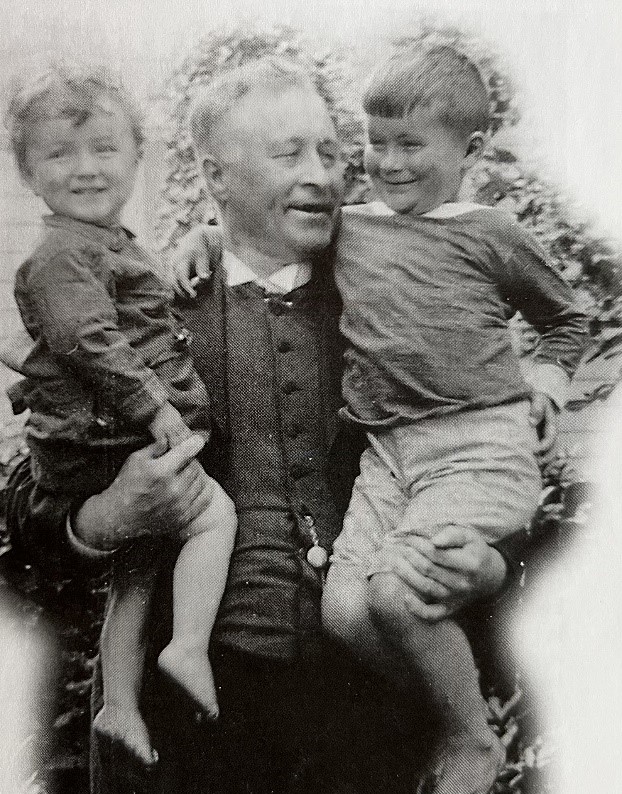
Following her mother’s death, Maud was raised by her maternal grandparents, Lucy and Alexander Macneill. At the ages 52 and 56, the Macneils had already raised six children and were faced with the additional task of raising a granddaughter. Maud’s father also moved and settled in Prince Albert Saskatchewan, leaving her entirely in the care of her maternal grandparents. As an only child living with an elderly couple in a quiet household, Maud began to live more in her imagination, and it was no doubt a factor in the development of her writing.
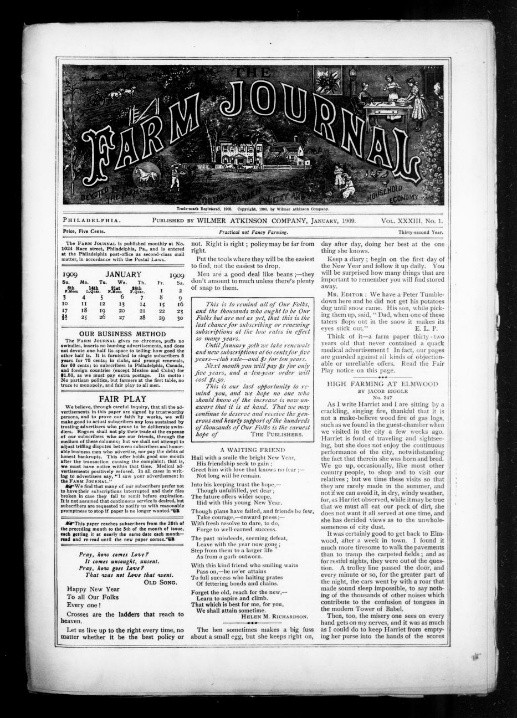
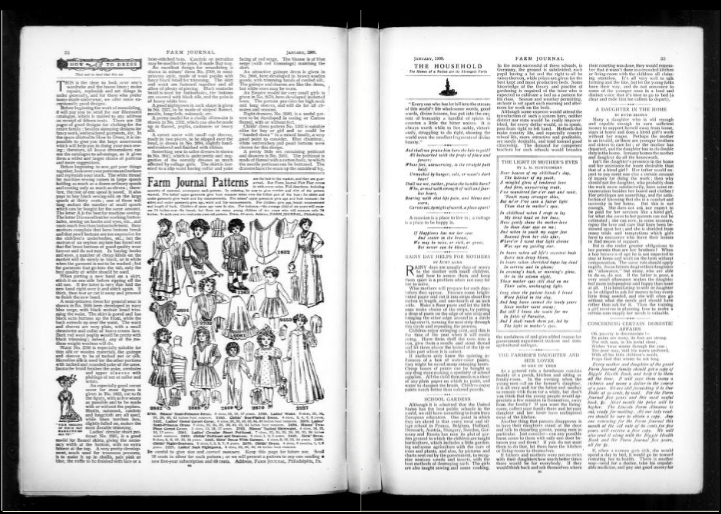
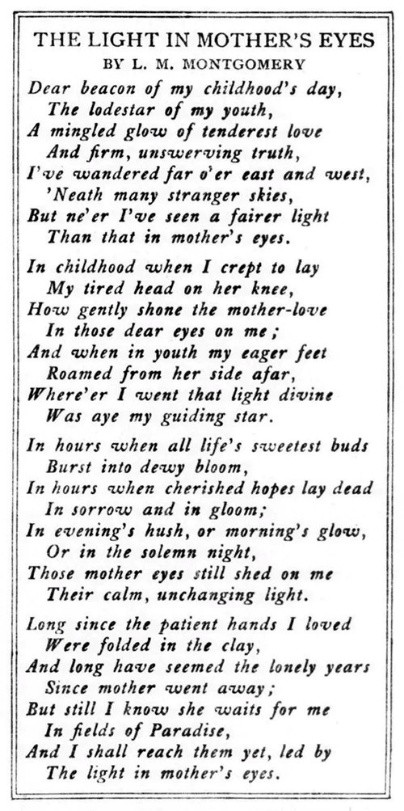
In 1909, a year after publishing Anne of Green Gables (1908), (Maud dedicated the book to the memory of her mother and father), Maud published a poem about her mother Clara called The Light in Mother's Eyes. The poem was published in The Farm Journal, which was devoted to the farm and household economy. Most of her poems appeared in periodicals, including women’s magazines and newspapers.
After Grandmother Macneill died in March of 1911, Maud married Reverend Ewan Macdonald, to whom she had been secretly engaged to since 1906, on July 5th, 1911. After their honeymoon, they moved and settled in Leaskdale, Ontario, where Ewan became the minister of the Presbyterian church and they soon started a family.

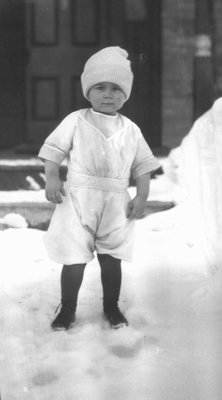
Marked by the early loss of her mother and her lonely childhood, Maud’s life deeply influenced her desire to have a family of her own. On July 7th, 1912, she gave birth to her first son Chester Cameron Macdonald and wrote happily in her journal:
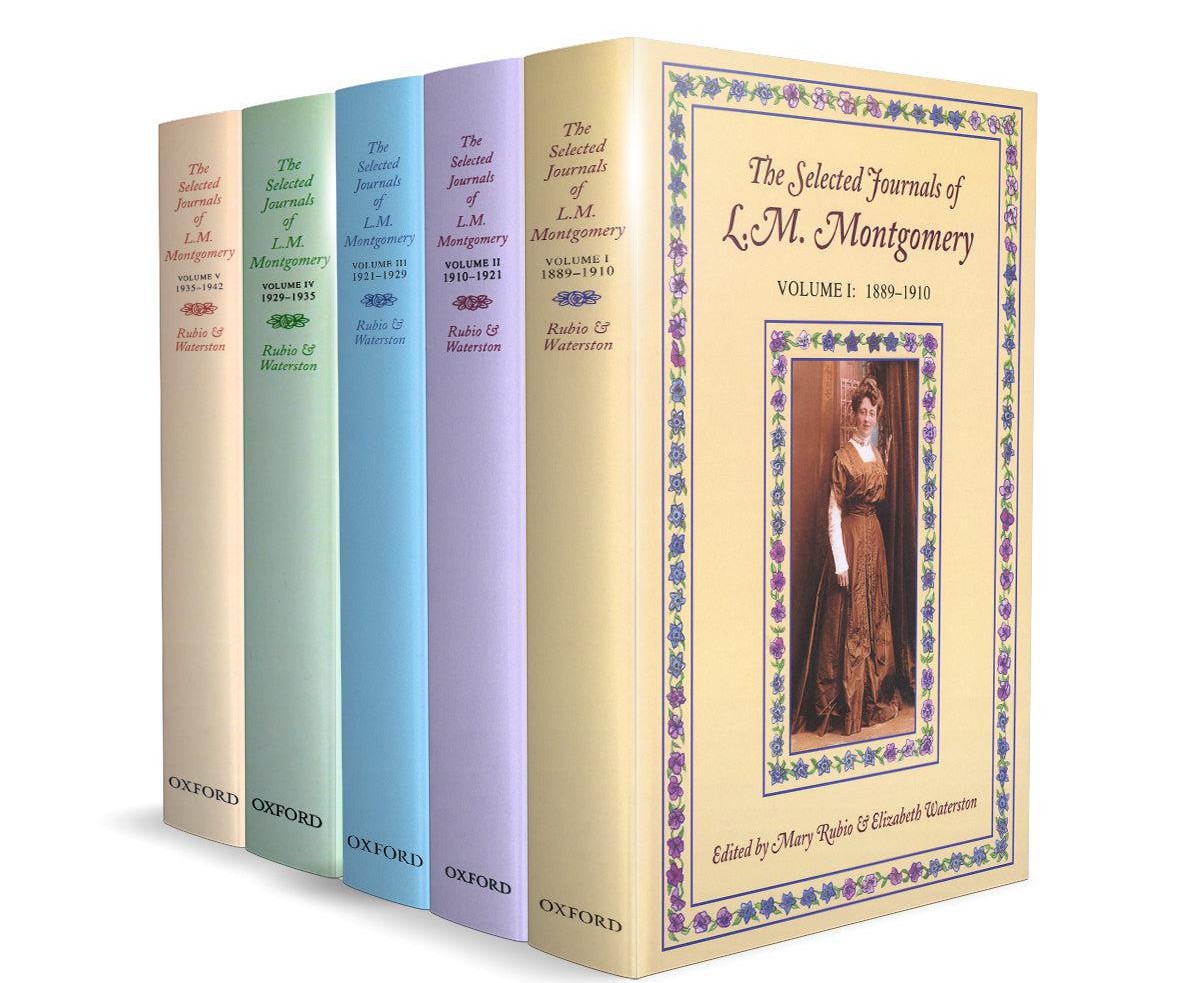
“I am indeed a most happy and thankful woman. Motherhood is heaven. It pays for all.” -Pg 99 The Selected Journals of L.M. Montgomery, Volume II: 1910 – 1921
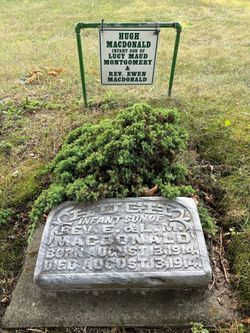
Two years later on August 13th, 1914, the same week that WWI began, Maud experienced an unexpected still birth and lost her second child, Hugh Alexander Macdonald. She had named him after her father Hugh John Montgomery.
Montgomery was in the middle of writing Anne of the Island (1914) and dedicated herself to finishing the novel, despite “a lethargic depression.”
“Never did I write a book under greater stress... all this fall I have been racked with worry over the war and tortured with grief over the loss of my baby.” -Pg 156 The Selected Journals of L.M. Montgomery, Volume II: 1910 – 1921
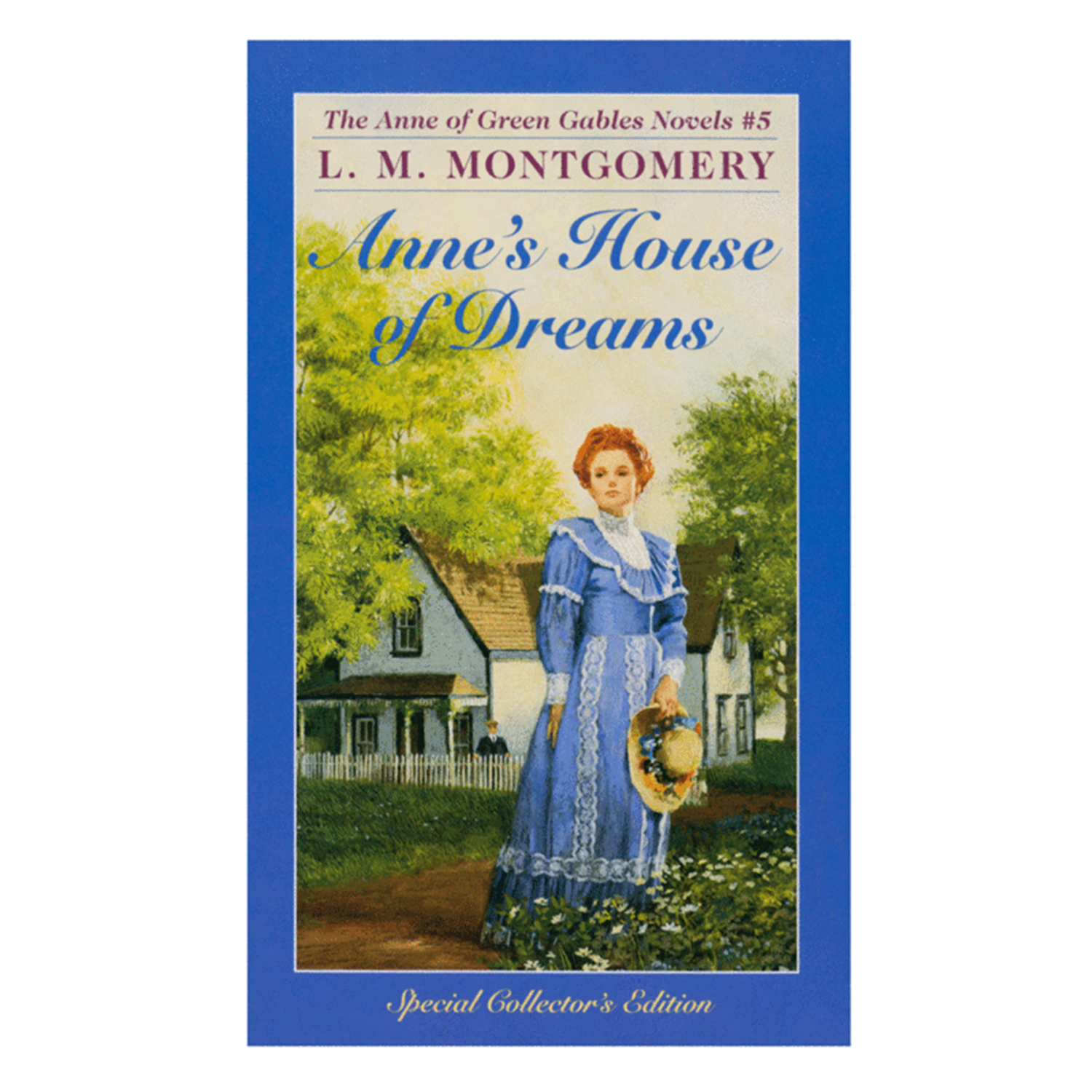
However, Maud would later recreate this event in Anne’s House of Dreams (1917), the 5th book in the series, which materialized this grief. Anne and Gilbert (now a doctor) get married at Green Gables and move and settle into their ‘house of dreams’ on the shores of Four Winds Harbour. But as they begin their new life together, a tragedy soon strikes them, and it takes all the couple’s courage and love to overcome.
“I think the book is the best I have ever written not even excepting Green Gables or my own favorite The Story Girl”. - Pg 222 The Selected Journals of L.M. Montgomery, Volume II: 1910 – 1921
“Gilbert,” whispered Anne imploringly, “the baby--is all right--isn’t she? Tell me--tell me.” Gilbert was a long while in turning round; then he bent over Anne and looked in her eyes.
Marilla, listening fearfully outside the door, heard a pitiful, heartbroken moan, and fled to the kitchen where Susan was weeping. “Oh, the poor lamb--the poor lamb! How can she bear it, Miss Cuthbert? I am afraid it will kill her. She has been that built up and happy, longing for that baby, and planning for it. Cannot anything be done no-how, Miss Cuthbert?”
“I’m afraid not, Susan. Gilbert says there is no hope. He knew from the first the little thing couldn’t live.”
“And it is such a sweet baby,” sobbed Susan. “I never saw one so white--they are mostly red or yallow. And it opened its big eyes as if it was months old. The little, little thing! Oh, the poor, young Mrs. Doctor!" - Pg 115 – 116, Anne’s House of Dreams
Anne and Gilbert go on to have 6 children in the next set of books Anne of Ingleside (1939) and Rainbow Valley (1923). In March 1915, Maud was also delighted to find that she was pregnant with her third child. However, she did not start another novel at the time, fearing that too much stress might result in another stillborn child.
”Shall I ever be able to forget its agony? And will it be repeated in October?” - Pg 171 The Selected Journals of L.M. Montgomery, Volume II: 1910 – 1921
Instead, Maud began to collect and write material for a poetry book. On October 7th 1915, she gave birth to a healthy boy named Ewan Stuart Macdonald.
“Oh, how glad I was when I heard the baby’s lusty cry. I had rather hoped he would be a girl but now I would not exchange him for a thousand girls.” -Pg 173 The Selected Journals of L.M. Montgomery, Volume II: 1910 – 1921
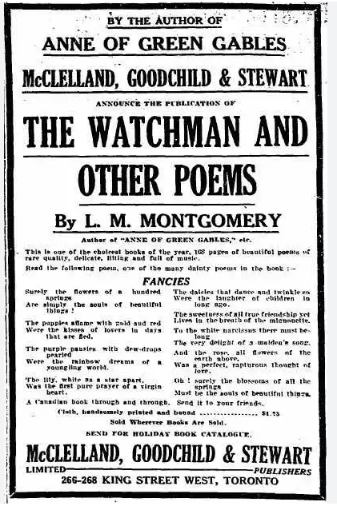
In November 1916, Maud published her first book of poetry, The Watchman and Other Poems (1916), which included the poem The Mother. Maud is far less known for writing and publishing hundreds of poems over a period of half a century, but as a shrewd businesswoman, she learned to find the balance between commercial salability and literary quality.
"I know that I touch a far higher note in my verse than in prose. But I write much more prose than verse because there is a wider market for it." - L.M. Montgomery letter to G.B. MacMillan, December 29th, 1903
The Mother
Here I lean over you, small son, sleeping
Warm in my arms,
And I con to my heart all your dew-fresh charms,
As you lie close, close in my hungry hold . . .
Your hair like a miser's dream of gold,
And the white rose of your face far fairer,
Finer, and rarer
Than all the flowers in the young year's keeping;
Over lips half parted your low breath creeping
Is sweeter than violets in April grasses;
Though your eyes are fast shut I can see their blue,
Splendid and soft as starshine in heaven,
With all the joyance and wisdom given
From the many souls who have stanchly striven
Through the dead years to be strong and true.
Those fine little feet in my worn hands holden . . .
Where will they tread ?
Valleys of shadow or heights dawn-red?
And those silken fingers, O, wee, white son,
What valorous deeds shall by them be done
In the future that yet so distant is seeming
To my fond dreaming?
What words all so musical and golden
With starry truth and poesy olden
Shall those lips speak in the years on-coming?
O, child of mine, with waxen brow,
Surely your words of that dim to-morrow
Rapture and power and grace must borrow
From the poignant love and holy sorrow
Of the heart that shrines and cradles you now!
Some bitter day you will love another,
To her will bear
Love-gifts and woo her . . . then must I share
You and your tenderness! Now you are mine
From your feet to your hair so golden and fine,
And your crumpled finger-tips . . . mine completely,
Wholly and sweetly;
Mine with kisses deep to smother,
No one so near to you now as your mother!
Others may hear your words of beauty,
But your precious silence is mine alone;
Here in my arms I have enrolled you,
Away from the grasping world I fold you,
Flesh of my flesh and bone of my bone!
At 50 years old, Maud reflected on how her childhood had been blighted by her young mother’s death, and there were three simple words that had sustained her throughout her troubled life. Maud was sleeping over with her cousin, Pensie Macneil, in a frigid farmhouse. Pensie’s mother, Mrs. Charles Macneil, creeped into their bedroom to make sure the little girls were warm enough.
“Mrs. Charles” bent over us. “Dear little children,” she said gently and tenderly. That was all. Mrs. Charles has been for many years in her grave. She was a very illiterate, simple-minded woman from whose lips no pearls of wisdom or jewels of inspiration ever dropped. But I have forgotten most of the wisdom and culture I have listened to; and I shall never forget those three simple words of love. I came from a household where affection was never expressed in words. Stern Grandfather, reserved Grandmother would never have said to me “dear little child” even had they felt it. And I loved such expression – I craved it. I have never forgotten it. (March 1, 1925)
- Pg 27-28 Lucy Maud Montgomery: The Gift of Wings (2008)
For more on L.M. Montgomery’s writing read L.M. Montgomery: A True Poet


_1_2.jpg)


.jpg)


.jpg)


-p-500.jpg)


.jpg)


