L.M. Montgomery’s Journals And How They Came To Be
Agatha Krzewinski
L. M. Mongomery’s Journals are the most vivid and detailed accounts of her life. They provide an up-close look into her professional and personal life, daily routines, and what life was like in the early 20th century. Her journals are a unique social privilege into the life of the woman and writer behind Canada’s most translated novel,Anne of Green Gables.
Montgomery began writing when she was nine, but burnt her childhood diaries, claiming they were ‘dull’ and ‘silly’. At 14 years old, she began writing a new kind of diary.
I’m going to start out all over new and write only when I have something worth writing about.
- page 1, The Selected Journals of L.M.Montgomery, Volume 1: 1889–1910
Surviving are ten handwritten volumes that L.M. Montgomery kept for most of her adult life, starting in 1889 when she was just 14, until shortly before her death in 1942 at the age of 67. They present a wide range of emotions. Happy, she scribbled to capture the moment and relive later. Angry,she scribbled to release her tension. Her journals offer a record of feelings and concerns that could not be communicated through her various public selves.
Between 1889 and 1918, Montgomery wrote her journals in blank books. In 1919, she began recopying these journals into legal-size ledgers. Later in life, she prepared a typed and greatly abridged version of her journals shortly before her death for publication. The typed versions provide insight into how the author wished to re-shape and revise her private writings for publication. These included deleting some of the most revealing sections, toning down criticism, and correcting errors and spelling mistakes.
page xxii from The Selected Journals of L.M. Montgomery,Volume I: 1889-1910
Montgomery willed her journals to her youngest son Dr.Stuart MacDonald, a distinguished Toronto obstetrician, with the express wish that after a suitable time had elapsed, they be published (in accordance with his judgement). In 1981, the University of Guelph purchased both the handwritten and typed journals, as well as her scrapbooks, photographs, and other papers. From there, the L.M. Montgomery Collection began and became a national repository for Montgomery studies.
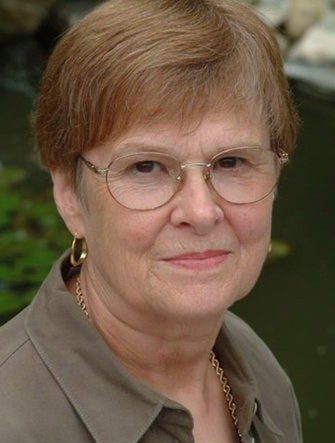
In 1982, just months before Macdonald’s death that October,Macdonald approached Mary Henley Rubio, an English professor at the University of Guelph, about writing a biography of L.M. Montgomery’s life.
At first, Rubio didn’t know if she could do it. Besides her career duties, Rubio was U.S. born, 43 at the time, and had two young daughters to raise.
"I really did want to do [the biography] for his sake," Rubio said in an interview in 2009 with The Globe and Mail. "He clearly loved his mother, but he had all these other feelings too."
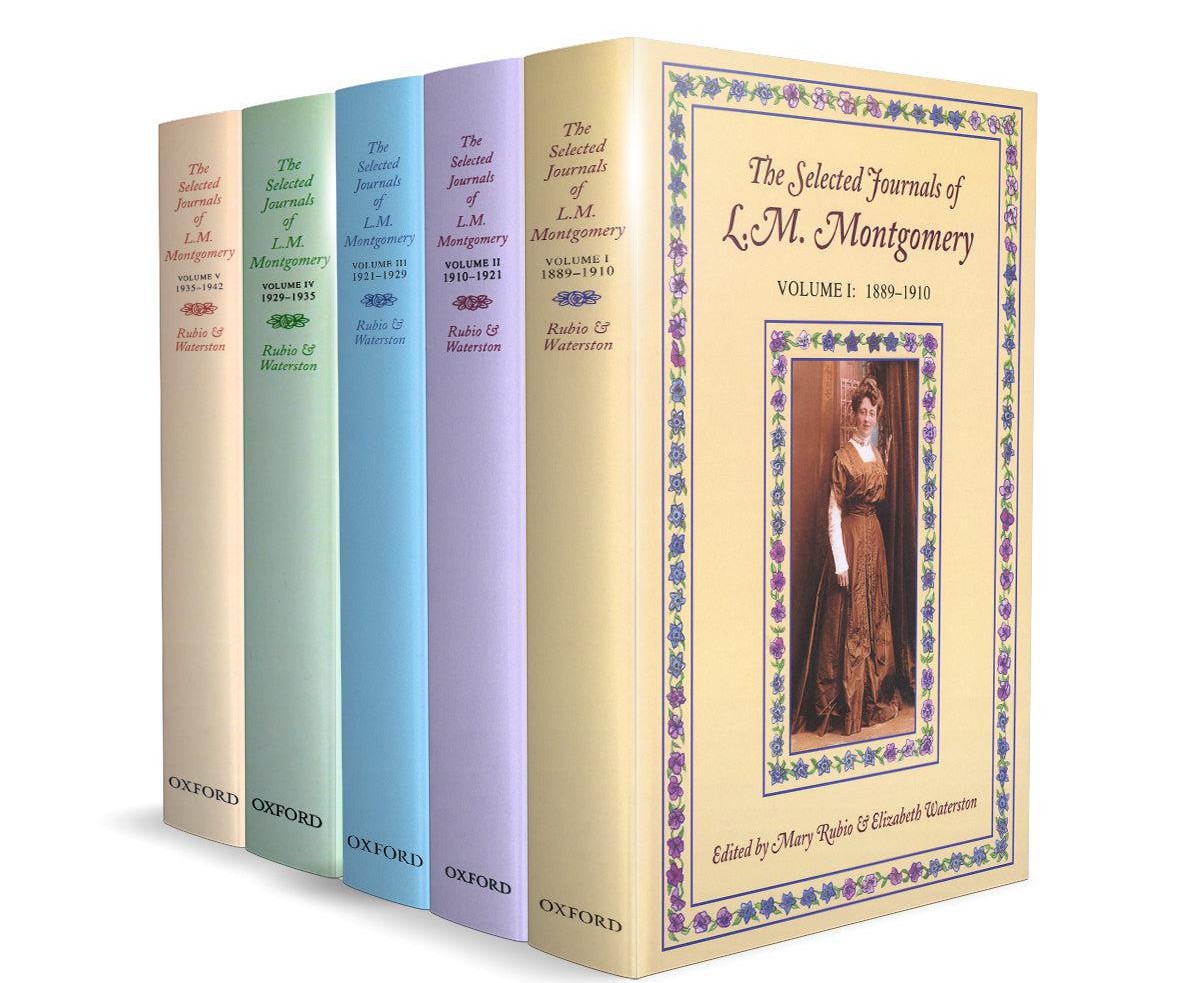
The best Rubio could promise Macdonald was that she would try, but the journals had to come first. Along with English professor Elizabeth Waterston, Rubio published five ‘highly edited’ versions of Montgomery's 10 journals, through Oxford University Press between 1985 and 2004. They were instructed to maintain a tightly organized, fast-paced narrative, and excise anything that did not move the story along.
"We had to cut over 50 per cent of the material in [thejournals] because the publisher wasn't sure they would be as popular,"Rubio told CBC's Craig Norris in The Morning Edition in 2017. The journals spanned ten large legal-size volumes of approximately 500pages each and almost 2 million words.
The first volume, The Selected Journals of L.M. Montgomery, Volume I: 1889-1910 was published in late 1985, coinciding with the release of Sullivan Entertainment’s television miniseries Anne ofGreen Gables (1985). It became a best seller in Canada and critically acclaimed around the world. The public was astonished by the dichotomy revealed behind the heartwarming tale of Anne of Green Gablesand Montgomery’s personal journals.
The Selected Journals of L.M. Montgomery,Volume 2: 1910–1921 (1987), The Selected Journals of L.M. Montgomery,Volume 3: 1921–1929 (1992), The Selected Journals of L.M. Montgomery,Volume 4: 1929–1935 (1998)
The fifth volume was drawn from the last two of the ten handwritten ledgers. The last major entry was on June 30, 1939, then nothing for all of 1940, and only one short entry each for the years 1941 and 1942. This gap coincided with the outbreak of the Second World War.
Oh God, such an end to life. Such suffering andwretchedness.
Page 349, The Selected Journals of L.M. Montgomery, Volume V: 1935 - 1942
1942
March 23, 1942
Since then, my life has been hell, hell, hell. My mind isgone -- everything in the world I lived for has gone -- the world has gone mad.I shall be driven to end my life. Oh God forgive me. Nobody dreams what myawful position is.
Page 350, The Selected Journals of L.M. Montgomery, Volume V: 1935 – 1942
On April 24, 1942, Montgomery was found dead in her bed, atthe age of 67. Montgomery's son, Macdonald, found a piece of paper on her bedside table. It read:
This copy is unfinished and never will be. It is in aterrible state because I made it when I had begun to suffer my terriblebreakdown of 1940. It must end here. If any publishers wish to publish extractsfrom it under the terms of my will they must stop here. The tenth volume cannever be copied and must not be made public during my lifetime. Parts of it aretoo terrible and would hurt people. I have lost my mind by spells and I do notdare think what I may do in those spells. May God forgive me and I hopeeveryone else will forgive me even if they cannot understand. My position istoo awful to endure and nobody realizes it. What an end to a life in which Itried always to do my best in spite of many mistakes.
In 1981, Macdonald gave this note to Rubio, who was "terribly surprised” when he handed it to her one day when visiting her in Guelph. At the time, Rubio believed that Macdonald had pretty much handed over everything to the University of Guelph. Now, he had placed this paper in front of her and said she could “destroy it or give it to Guelph”.
Rubio kept the note private until publishing what she initially promised to MacDonald, her Montgomery biography, Lucy Maud Montgomery: The Gift of Wings, in 2008. The book generated headlines during pre-publication when it was revealed that it contained the text of what Macdonald and his family believed to be a suicide note.
At the same time, coinciding with the 100th anniversary of the publication of Anne of Green Gables (1908),Montgomery’s granddaughter Kate Macdonald revealed in an essay to TheGlobe and Mail that her family believed Montgomery had died by suicide. Montgomery wrote the note two days before her death in Toronto, from what the coroner called, without autopsy, coronary thrombosis.
Rubio initially subscribed to the son's suicide scenario. The author was in great psychological pain in her final days and had developed a dependency on barbiturates. But as the years passed, she became more intimate with Montgomery's sensibility, her life, and her writing. She thought that the note was more likely just another diary entry. The page was dated two days before her death, April 22, 1942, and numbered page 176. The preceding 175 pages were never found and remain a mystery.
The Complete Journals of L.M. Montgomery:The PEI Years, 1889–1900 (2012)
In 2012, Rubio began publishing fully unabridged and annotated versions of the journals. Edited and introduced once again by Rubio and Waterston, these volumes not only restore the full text of Montgomery's journals but also include photographs, newspaper clippings and captions that she used to supplement her narrative.
"It just seemed logical ... to publish the complete journals, put in everything that was taken out… and let the world hear her own story as she tells it." Rubio told the CBC.
Among the sections that appear for the first time are descriptions of Montgomery's interactions with the natural world, reflections on novels and sermons, and more mundane entries that make the unabridged edition read more like a believable diary.
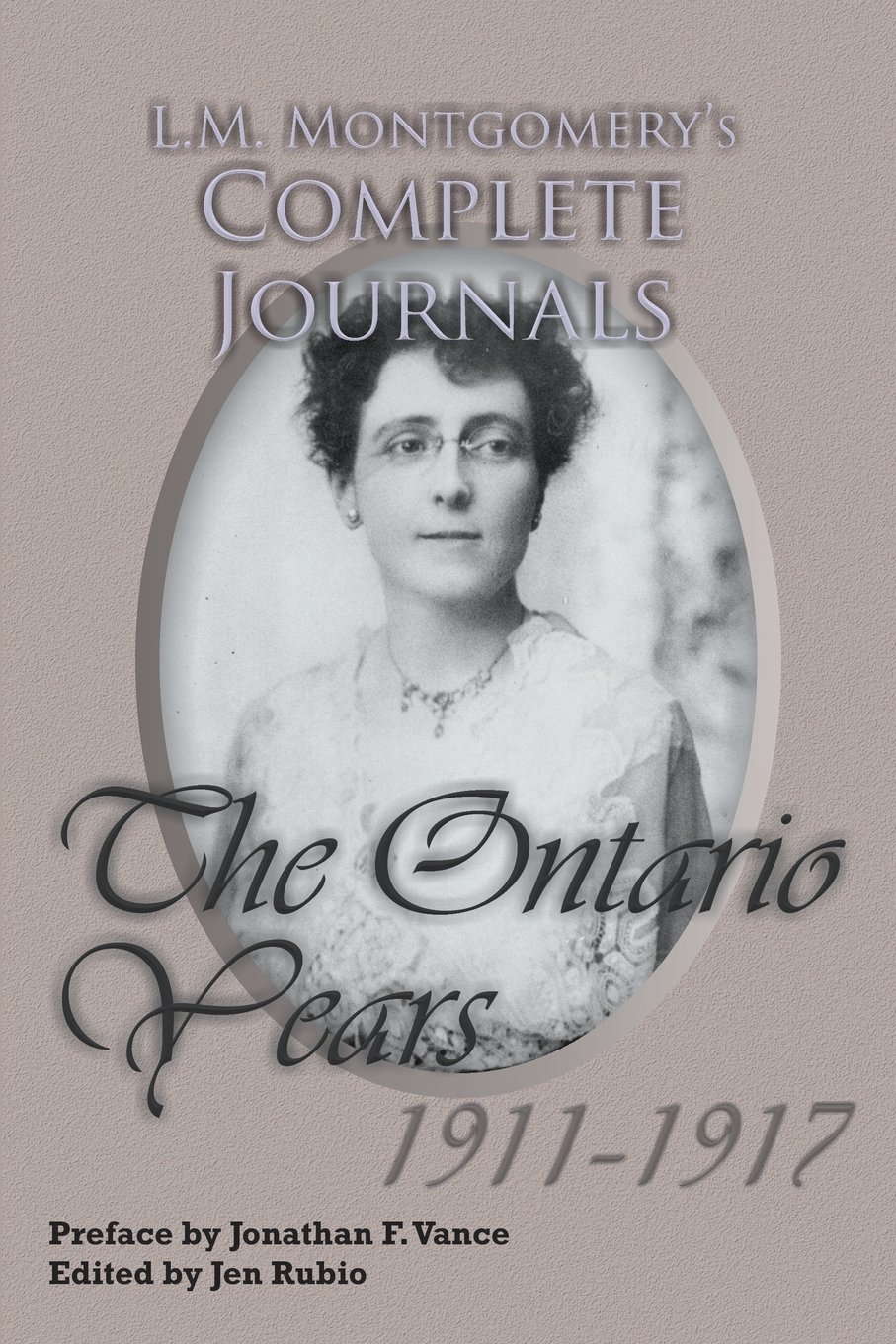
In 2016, further journals were published under the editorship of Jen Rubio, Mary Henley Rubio’s daughter, through Rock’s Mill Press.
L.M. Montgomery’s Complete Journals:The Ontario Years, 1911–1917 (2016)
L.M. Montgomery used the journals to cope with her unhappy life, and Mary Henley Rubio believed that she wouldn’t have been able to write the happy tale of Anne of Green Gables without them.
“Had she been happier, she likely would have put less time into writing the journals and more into the novels,” Rubio told The Globe and Mail.
Montgomery had been under pressure to create income and her husband stopped working around 1934. She referred to her journals as “a personal confidant in whom I can repose absolute trust”.
L.M. Montgomery lived to write, and she also wrote to live.


.jpg)



_1_2.jpg)


.jpg)


.jpg)


-p-500.jpg)


.jpg)


